




Industrial Refractory Applications for Manufacturing, Thermal Processing & Specialist Engineering
Soluciones refractarias para industrias y sectores
Materiales térmicos de alto rendimiento adaptados a aplicaciones industriales y especializadas
Vitcas fabrica una amplia gama de materiales refractarios y resistentes al calor, desarrollados para su uso en numerosas industrias y sectores especializados. Nuestros productos están diseñados para satisfacer los exigentes requisitos de los entornos de alta temperatura y combinan durabilidad, aislamiento térmico, resistencia mecánica y resistencia química.
Ya sea para mejorar la eficiencia energética, conservar el patrimonio histórico, procesar metales o llevar a cabo procesos de fabricación, Vitcas ofrece soluciones de confianza adaptadas a los retos específicos de cada aplicación.
- Calefacción central: proteja los sistemas de calefacción con inhibidores, desincrustantes y reductores de ruido que evitan la acumulación de cal, la corrosión y los lodos en radiadores y calderas.
- Fundición a pequeña escala: nuestros hormigones refractarios, mantas de fibra cerámica y recubrimientos de circón son ideales para la fundición de metales a pequeña escala y permiten construir y aislar hornos y crisoles.
- Ferrocarril histórico: hormigones refractarios, ladrillos refractarios y mantas aislantes para hogares, calderas y suelos de cajas de humos de locomotoras de vapor, que garantizan la autenticidad histórica y un funcionamiento seguro.
- Embarcaciones y barcazas: protección ignífuga de alta temperatura para la instalación de estufas de calefacción y calderas de vapor en embarcaciones fluviales, yates y buques, incluidos cordones de sellado resistentes al fuego, adhesivos y tejidos aislantes.
- Calderas: materiales refractarios avanzados para revestir y aislar calderas industriales y comerciales, resistentes a los ciclos térmicos y al desgaste operativo.
- Fraguas: productos de fibra cerámica de baja masa térmica y materiales densos resistentes a la abrasión para construir y reparar fraguas de gas, coque o eléctricas.
- Revestimientos de hornos: soluciones para hornos de funcionamiento intermitente y continuo, como ladrillos aislantes, mortero refractario y revestimientos de fibra cerámica, aptas para cerámica, vidrio y procesos industriales.
- Cerámica y vidrio: materiales refractarios para el aislamiento de hornos cerámicos y hornos de recalentamiento para soplado de vidrio, incluidos recubrimientos de circón, hormigones refractarios y placas aislantes.
- Automoción: cintas de escape para altas temperaturas, siliconas resistentes al calor y pinturas para el aislamiento térmico y el sellado de motores y sistemas de escape de vehículos.
- Saunas: ladrillos refractarios, aislamiento y mortero refractario para estufas de sauna y cámaras térmicas de alta humedad, que garantizan durabilidad y seguridad a temperaturas elevadas.
Con décadas de experiencia en el sector, Vitcas es una marca de confianza en materiales refractarios de alto rendimiento para aplicaciones industriales, históricas, de transporte, navales y domésticas. Nuestros productos están diseñados para optimizar la retención del calor, la seguridad operativa y la eficiencia energética.
Industrial Refractory Applications by Sector
Industrial refractory systems are used to contain process heat, protect equipment and provide suitable thermal insulation in installations exposed to elevated temperatures and demanding operating conditions.
Refractory requirements vary significantly between industrial sectors. Furnace atmosphere, operating temperature, thermal cycling, abrasion, mechanical loading and chemical exposure can all influence material selection and lining design.
VITCAS provides specialist materials for industrial construction, refractory installation, refurbishment and maintenance. The following application categories cover a broad range of thermal processing equipment and specialist engineering environments.
Furnaces, Kilns and Thermal Processing Equipment
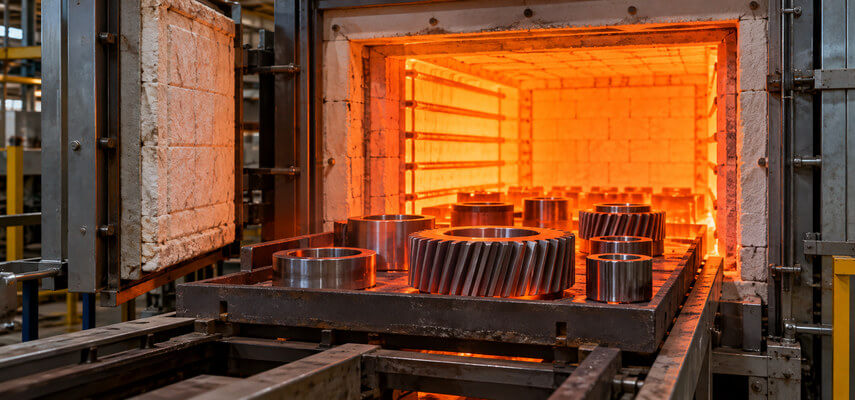
- Furnace Linings & Heat Treatment – Refractory lining and insulation applications for industrial furnaces, heat-treatment equipment and thermal processing installations. Material selection depends on operating temperature, thermal cycling, furnace atmosphere and lining position.
- Kiln Linings – Refractory and thermal insulation solutions for industrial kilns operating under different firing schedules, temperatures and process conditions. Applications include hot-face linings, insulating layers and refractory maintenance.
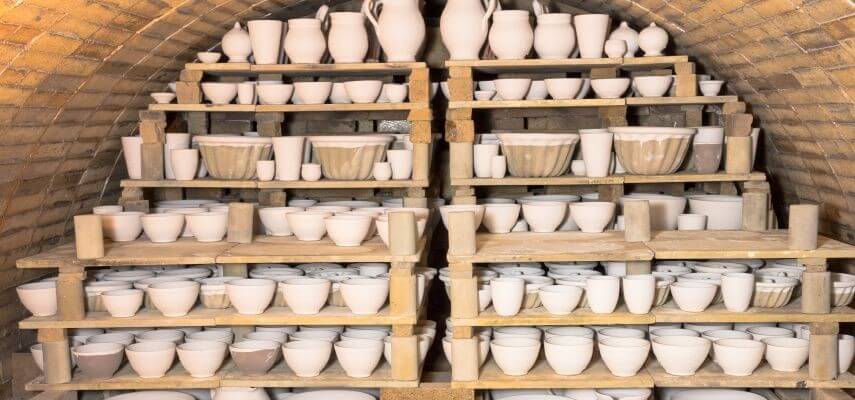
- Ceramic Kilns & Firing – Specialist refractory materials for ceramic kilns, pottery firing equipment and related high-temperature installations, with requirements influenced by firing temperature, thermal cycles and kiln construction.
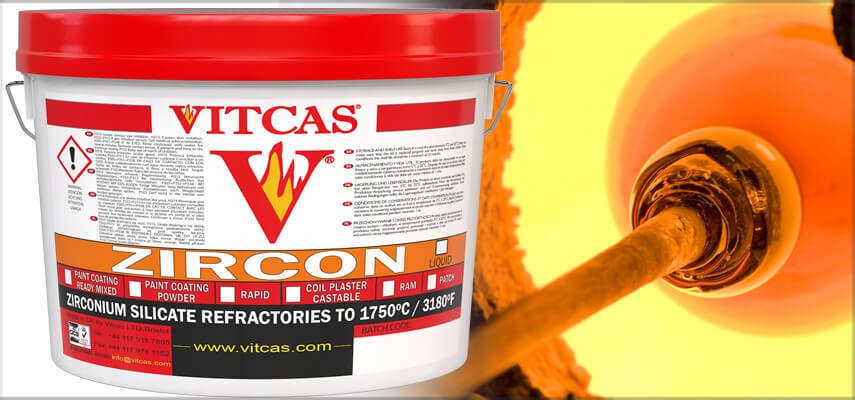
- Glass Furnaces & Glassworking – High-temperature refractory and insulation applications associated with glass processing, reheating, forming and specialist glassworking equipment. Materials must be selected according to temperature and relevant process exposure.
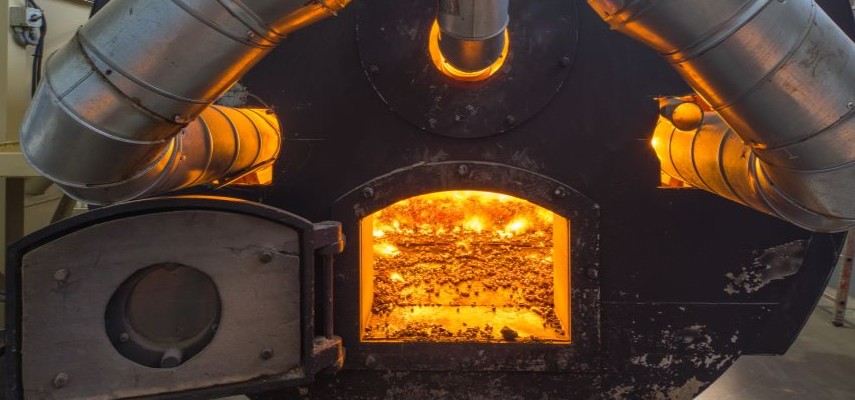
- Boiler Refractory & Insulation – Refractory lining, insulation and repair applications for industrial and commercial boiler equipment, including areas exposed to combustion heat, thermal cycling and operational wear.
- Incinerators & Cremators – Refractory applications for combustion equipment exposed to sustained temperatures, repeated heating cycles and potentially abrasive or chemically demanding operating environments.
Metal Processing, Casting and Forge Applications
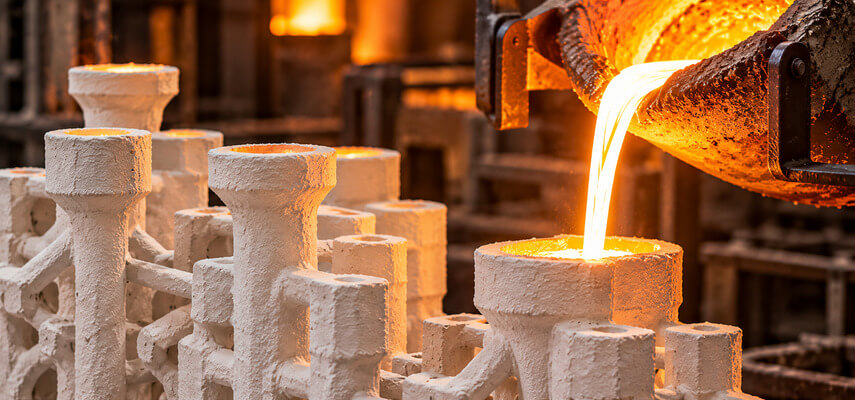
- Foundry & Metal Casting – Refractory lining, insulation and protective material applications for metal melting, handling and casting equipment. Material suitability depends on process temperature, molten-metal exposure, mechanical conditions and operating environment.
- Investment Casting & Shell Repair – Specialist refractory applications associated with investment casting processes, ceramic shell maintenance and compatible repair operations.
- Forge Construction & Repair – Refractory and insulating materials for constructing, lining and maintaining suitable gas, solid-fuel and electric forges, with consideration given to heat containment, lining durability and repeated thermal cycling.
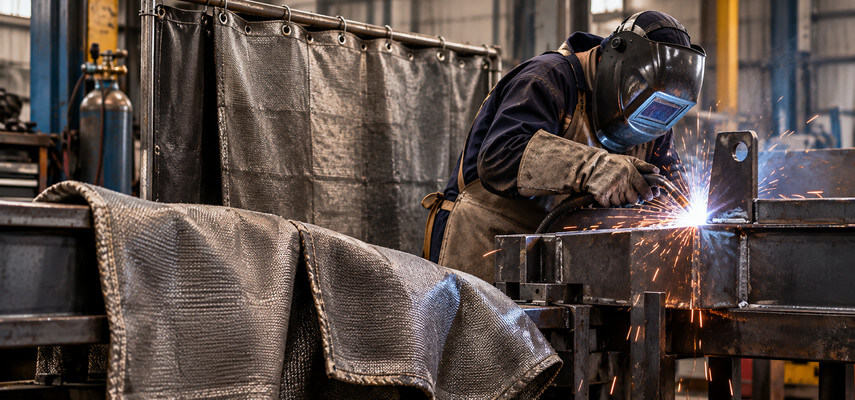
- Welding & Heat Protection – Specialist heat-resistant textiles, insulation and protective materials for suitable welding environments, fabrication activities and equipment exposed to radiant heat or localised thermal hazards.
Transport, Marine and Heritage Engineering
- Heritage Railway & Steam – Refractory lining, sealing and insulation applications associated with steam locomotives, heritage boilers and specialist railway restoration and maintenance.
- Marine Refractory & Insulation – Heat-resistant and insulating material applications for compatible marine heating equipment, boilers, stove installations and specialist thermal systems used aboard vessels.
- Automotive & Motorsport – Thermal insulation, high-temperature sealing and heat protection applications for vehicle exhaust systems, engine compartments and suitable automotive and motorsport components.
Chemical Processing and Acid-Resistant Linings
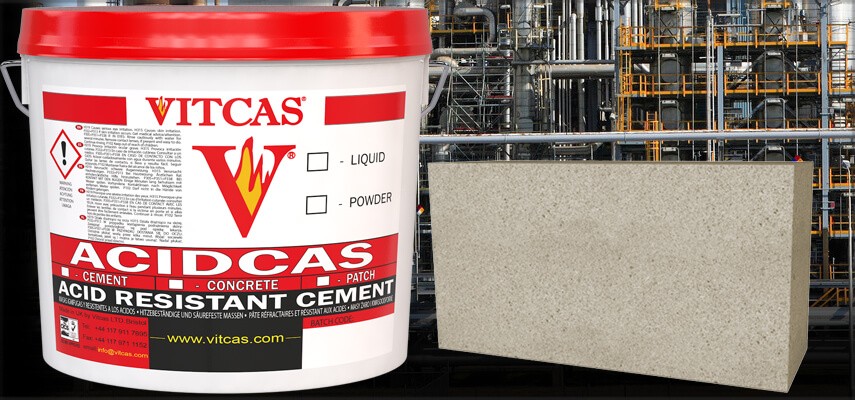
Acid-Resistant Linings & Chemical Processing – Specialist refractory and chemically resistant material applications for compatible industrial processing environments. Material selection must account for the specific chemicals, concentrations, operating temperatures and mechanical conditions involved.
Refractory Materials for Industrial Installation and Maintenance
Industrial installations frequently require several refractory and insulation materials working together as a complete system. The selection of individual components depends on their position within the lining and the conditions experienced during operation.
Typical refractory functions include:
- Hot-face refractory linings: Materials selected for direct exposure to the operating environment, including relevant thermal, mechanical and chemical conditions.
- Back-up thermal insulation: Insulating materials positioned to reduce heat transfer through the lining and support the required thermal design.
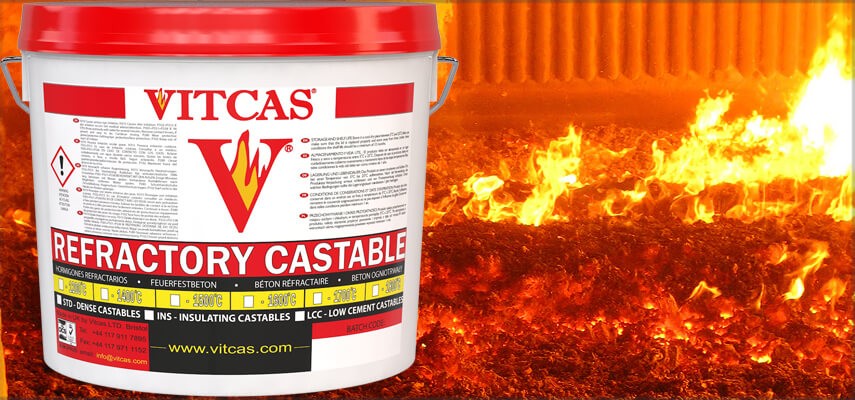
- Refractory jointing and installation: Compatible mortars, castables, mouldable materials and other products used in specified refractory construction and repair methods.
- High-temperature sealing: Suitable ropes, tapes, gaskets and sealants used in joints and equipment components requiring particular thermal or mechanical properties.
- Surface protection and repair: Specialist coatings and repair compounds selected for compatible refractory surfaces and operating environments.
These functions are not interchangeable. A material selected for thermal insulation may not provide the mechanical durability required for a working-face lining, while a dense refractory material may not deliver the insulation performance required by the equipment design.
Choosing Refractory Materials for Industrial Service
Industrial refractory selection should consider the complete operating environment rather than relying solely on a published maximum temperature rating.
Important factors include:
- Operating temperature: Continuous service conditions, anticipated temperature variations and thermal cycling.
- Process atmosphere: Combustion gases, oxidising or reducing conditions and other relevant environmental exposure.
- Chemical compatibility: Potential contact with molten metals, slags, acids, alkalis or other process substances.
- Mechanical requirements: Abrasion, impact, vibration, loading and movement within the installation.
- Thermal performance: Required heat containment, heat storage, insulation performance and acceptable heat transfer.
- Installation method: Lining geometry, material thickness, anchoring arrangements, jointing requirements and access for installation or repair.
- Maintenance conditions: Planned shutdowns, repair procedures, thermal cycling and the requirements for drying, curing and initial heating.
A product's stated temperature rating does not, by itself, establish suitability for a particular industrial process or complete refractory lining. Individual product specifications, installation instructions and relevant engineering requirements should be reviewed before use.
Frequently Asked Questions
What are refractory materials used for in industry?
Industrial refractory materials are used in equipment exposed to elevated temperatures and demanding process conditions. Applications include furnaces, kilns, foundries, forges, boilers, incinerators and specialist thermal processing systems. Different materials provide combinations of temperature resistance, mechanical durability, insulation and chemical resistance.
What is the difference between dense refractories and insulating materials?
Dense refractories are generally selected for mechanical durability and suitable resistance to the conditions experienced by a working-face lining. Insulating refractory materials are designed to reduce heat transfer and may have lower density and thermal mass. Industrial systems can incorporate both types, with each material positioned according to its intended function.
Can the same refractory material be used across different industrial sectors?
Some refractory products are suitable for several industrial applications, provided their technical properties match the operating conditions. However, a material used in a furnace lining should not automatically be considered suitable for metal casting, chemical processing or another specialised environment without checking temperature, mechanical and chemical compatibility.
How should refractory materials be selected for industrial equipment?
Material selection should begin with the operating temperature, lining function, process atmosphere and expected mechanical or chemical exposure. Thermal performance, installation method, maintenance requirements and compatibility with the complete refractory system should also be assessed. Relevant technical specifications and engineering requirements should guide the final selection.
Related VITCAS Products
Once the operating conditions and application requirements have been established, suitable materials can be identified from the VITCAS product range, including refractory mortars, castables, fire bricks, high-temperature insulation, specialist coatings, technical textiles and heat-resistant sealing products.